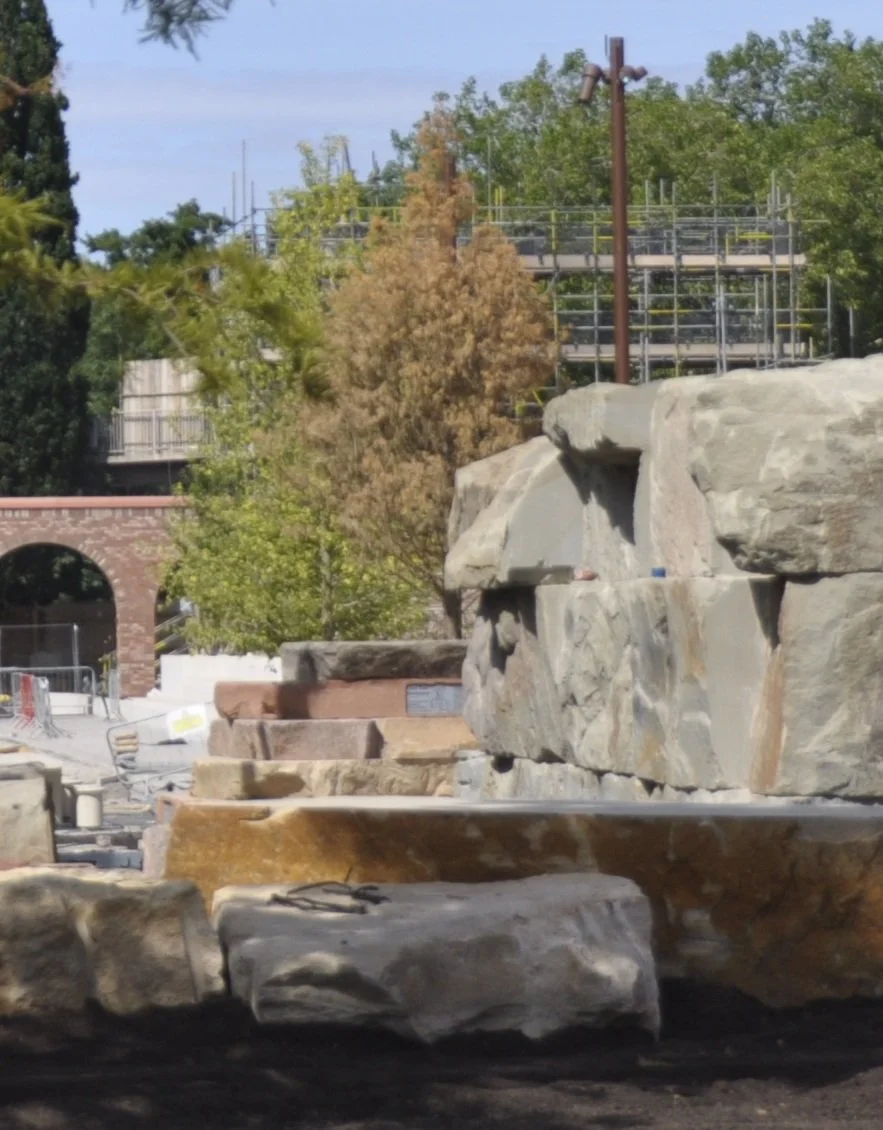
THE TREES IN RIVERSIDE GARDENS
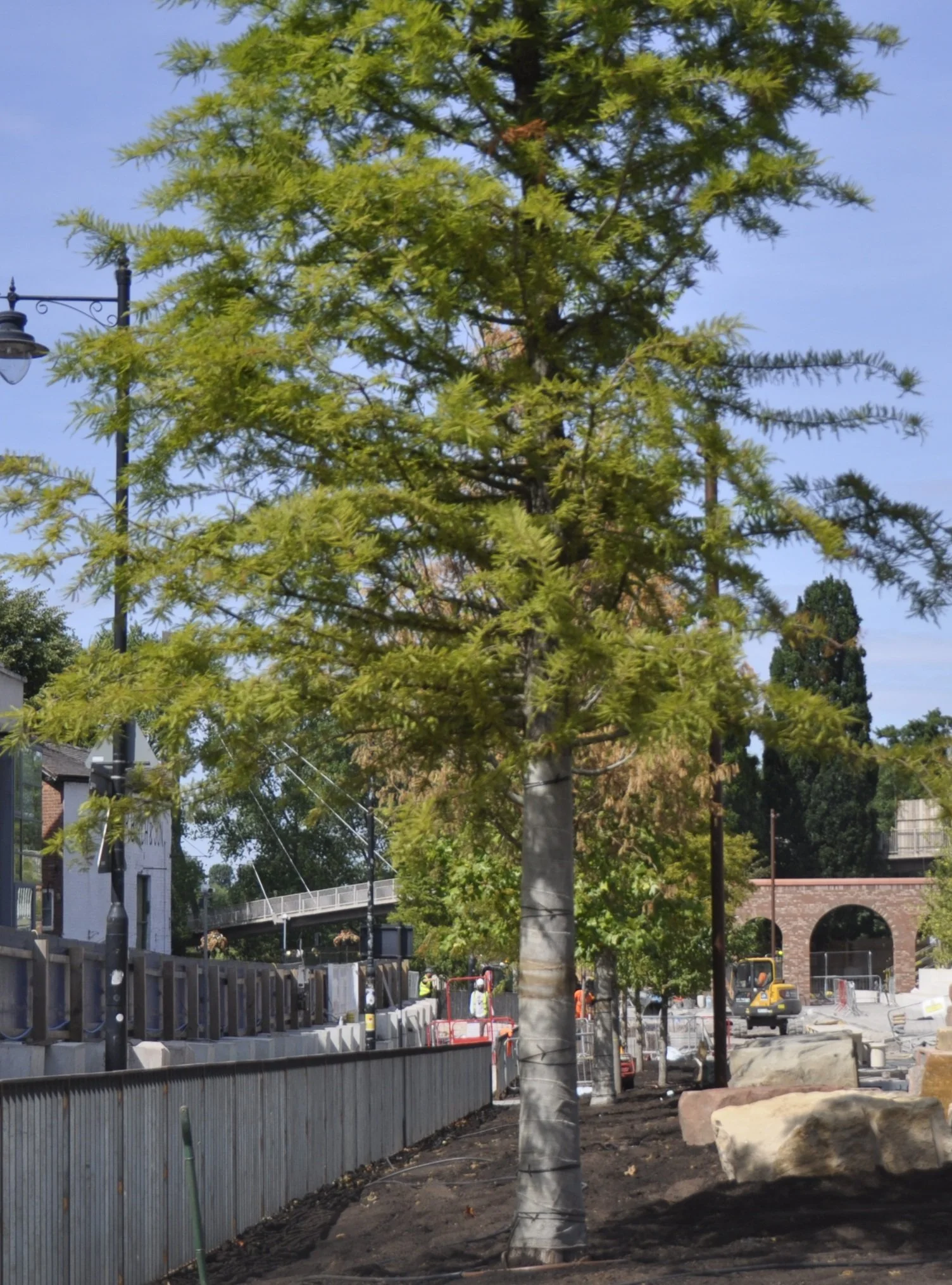
Bald Cyress (Taxodium distichum)
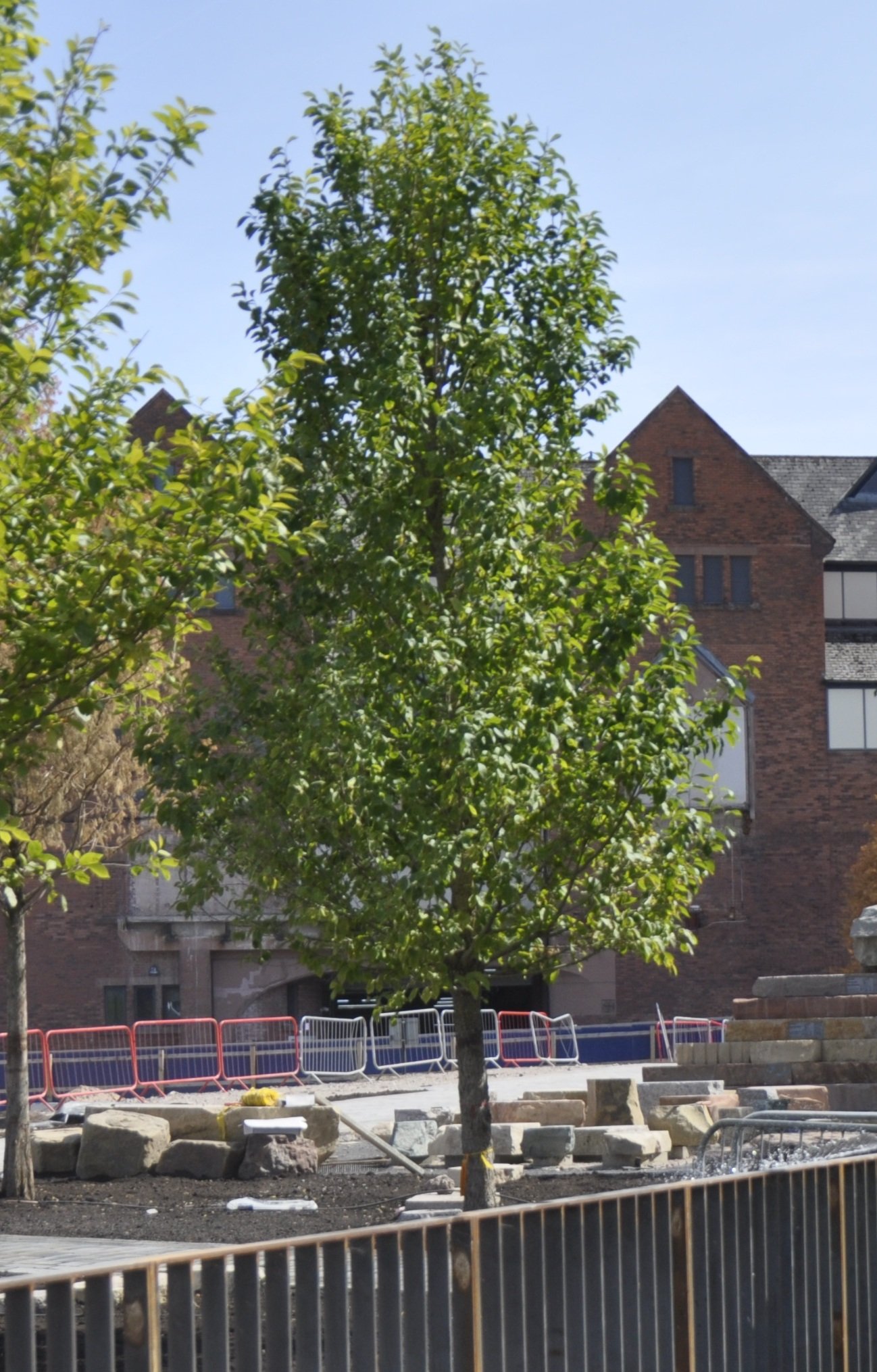
New Horizon Elm (Ulmus 'New Horizon')
Chosen for
•Soft, feathery foliage contrasts beautifully with hard materials such as stone, brick and concrete
•Provides habitat and shelter for birds and invertebrates
•Captures airborne particulates and pollutants
•Tolerates flooding and periodic waterlogging
•Can live for hundreds of years under suitable conditions
Chosen for
•Tolerates a range of soil conditions and urban stresses.
•More resilient to drought and compaction than many ornamental species.
•Helps intercept rainfall and reduce surface water runoff
•Its strong urban resilience, disease resistance and long-term canopy potential
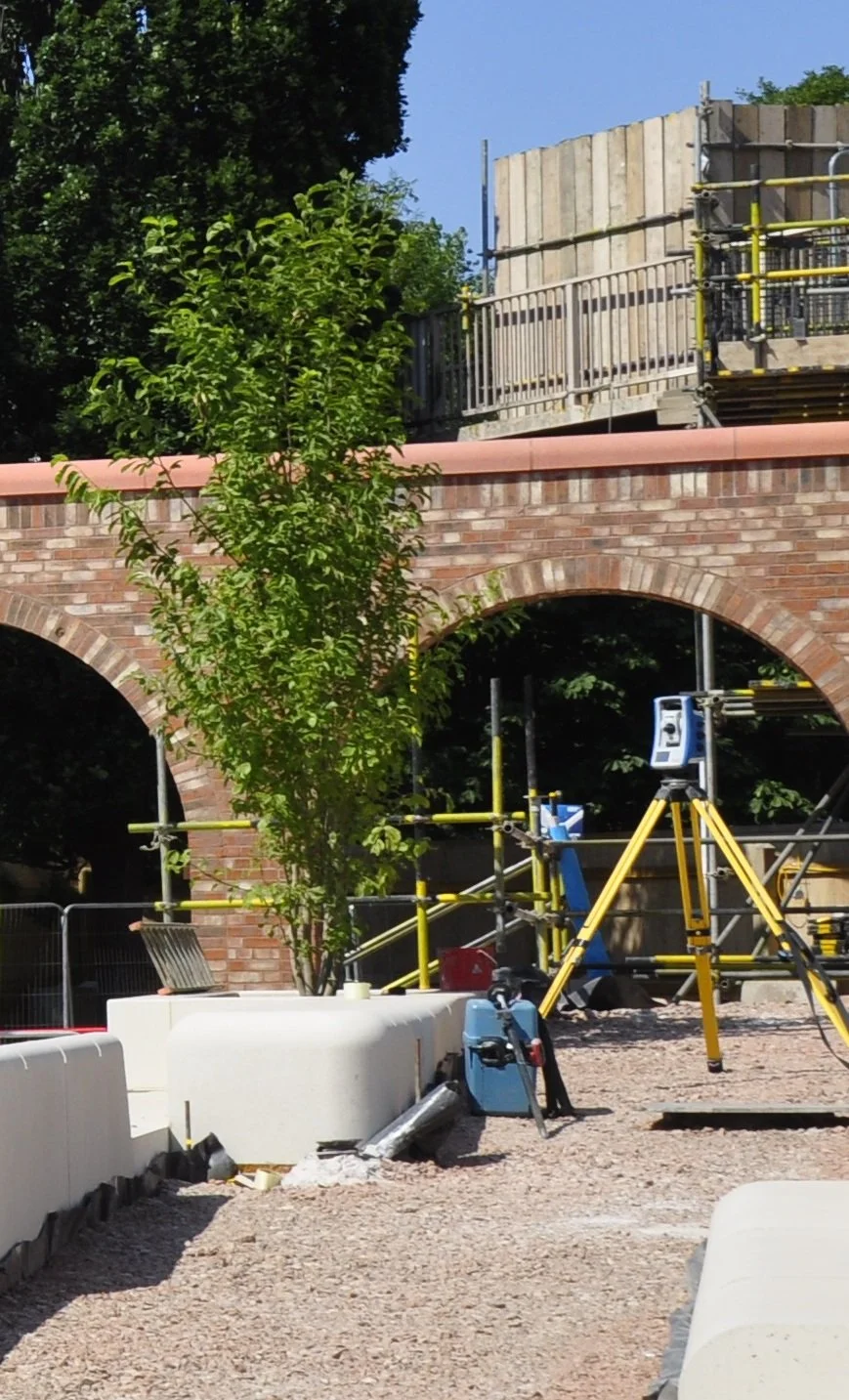
Magnolia Kobus
Delivered during July 2026 they quickly transformed the area adding immediate greenery and a sense of place by providing blossom, shade, biodiversity value, climate resilience and year-round visual interest.
The information below details some of the type of trees that now call Riverside Gardens home and how it can take a while for them to settle in
Chosen for
•Spectacular white blossom in early spring
•Attractive architectural form all year round.
•Manageable size compared with larger street trees
•Relatively low maintenance requirements
•Good performance in urban conditions
Morgan Sindall who are developing the Park on our behalf have said:
"We are aware of the concerns that have been raised about the recently planted trees at Riverside Gardens.
The trees have shed their leaves as a result of 'transplant shock', a normal side effect in plants that occurs when trees try to maintain their leaves while roots adapt to a new environment. This process has been exacerbated as the UK has seen unprecedented periods of extreme heat.
Our landscape partners are managing the trees with daily watering. In addition, an automated watering system is being established to deliver deep, programmed watering as the weather continues and the trees are establishing."
Transplant Shock